
One year of Guesting: the bet, the break, and the fix
One year of Guesting: the bet, the break, the fix
We bet that your social circle can help you host friends and family when they visit. We were right. We were also wrong about something important.
The bet
A year ago we made a bet. That your social circle can help you host friends and family when they come to visit.
A friend's empty flat for the weekend. A colleague's spare room. Places that will never end up on Airbnb because no one's running a business. Just a favour, and maybe a little something back along the way.
That happens all the time. Just never in an app.
So we built Guesting. A social network for short stays. You see places from your contacts and their contacts. You arrange directly. Set your own terms. Zero fees on either side.
Not a marketplace. Not a review engine. A way to make the trust that already exists between people actually unlock places to stay.
The bet held
Real stays happened. Between people who'd never met in person.
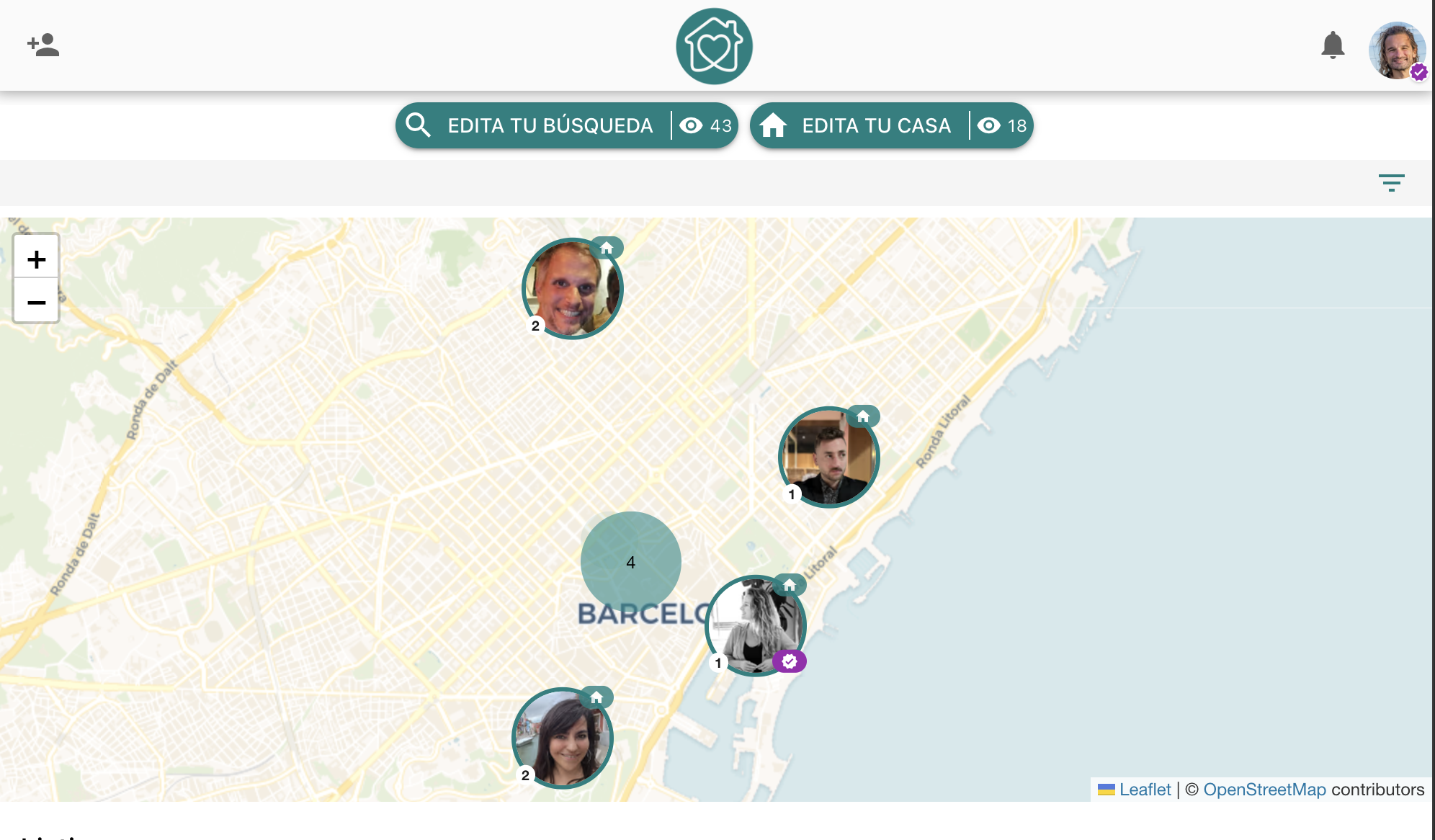
Someone in Barcelona was away for the weekend. Flat sitting empty. A teammate's sister needed a place for two nights while visiting the city. They'd never met. But she could see the flat through their shared connection. No group chat asking around. No Airbnb for a weekend stay. Just "Oh, you know Dani? Come stay."
That happened again and again. People opened their homes to people they'd never met because they could see exactly how they were connected. A friend of a friend isn't a stranger.
These stays don't happen on Airbnb. The host isn't running a business. They'd never list their place for strangers. But for someone in their circle? Happy to help. Maybe charge a bit, maybe not. Keep it informal.
Not a better Airbnb. A completely different kind of stay.
The break
Here's where we got it wrong.
After a year of watching people use the product, one pattern was impossible to ignore. Guesting worked brilliantly for people who already had a network on the platform. Ten connections? You'd find places, host people, come back regularly.
Two connections? You'd open the app. See a sparse map. Leave.
The people who needed Guesting the most were getting the least from it. Someone new to Barcelona, thin on contacts, searching for a trusted place to stay. Exactly the person we built this for. And they'd land on an empty screen.
We basically built a product that rewarded the well-connected and punished everyone else. That's a problem you can't growth-hack your way out of. You have to solve it structurally.
The obvious fix we didn't take
The easiest solution? Make everything public. Open up all listings. Let anyone see anyone's home. Instant liquidity. Problem solved.
We didn't do it. Because that kills the whole point.
The moment you make homes publicly visible, you've built another Airbnb. Strangers browsing strangers' spare rooms. The trust model collapses. And trust is the entire product.
So we needed something smarter. A way to give new users enough to work with, without blowing up the privacy and trust that makes Guesting different.
The fix: Groups and Communities
We built groups and communities.
Communities are open. Themed by city, sport, profession, interest. No mutual contacts needed.
Here's the key: communities don't show homes. They show who's looking for a place and who's open to hosting. That's it. A signal, not a listing.
If you join a volleyball community in Barcelona, you can see that three members are open to hosting in August and five are looking for places in July. You can message them in-app. But you don't see their homes, their addresses. Not until you build a closer connection.
Communities are the outer layer. Enough to connect, not enough to expose.
Groups. Invite-only spaces for specific circles. Your company's travel network. Your volleyball league. Your old uni crew. Everyone sees homes and searches. Tighter than a community, looser than direct contacts.
It's how trust works in real life. You don't hand your house keys to everyone at a meetup. But you're open to chatting. And if someone turns out to be a friend of a friend? Different story.
What else shipped
Memberships. Free stays free, always. Zero fees on every plan, always. Paid memberships unlock more communities, deeper contact chains, and wider visibility. The product works on free. More reach is there if you want it.
Year two
Year one proved the bet. Your circle can help you host. People will open their homes if the connection is real.
Year two is about making that work for everyone. Not just the ones who started with a dense network.
Communities are live. Groups are live. The foundation is there.
Now we need the right people in the right communities. Density before breadth. Barcelona first, then outward.